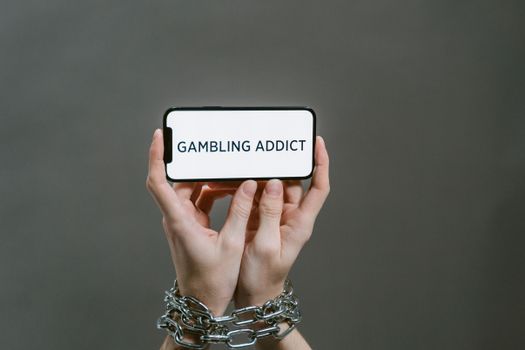
Online gaming has soared in popularity, with over 3 billion gamers worldwide as of 2023. While digital games offer fun, social connection, and even cognitive benefits, excessive play can lead to problematic behaviors, including addiction. The World Health Organization officially recognized "gaming disorder" as a mental health condition in 2019, highlighting the need for awareness and practical strategies. If you or someone you care about enjoys online games, it's essential to know how to maintain a healthy balance and avoid the pitfalls of gaming addiction. This article explores actionable tips, data, and expert-backed tricks to help you enjoy online games responsibly—without letting them take over your life.
Understanding Online Game Addiction: What Makes It So Engaging?
Online games are designed to be immersive and rewarding. Game developers use sophisticated psychological techniques to keep players coming back for more. Here are some key factors that make online games especially engaging—and sometimes addictive:
- $1: Like slot machines, many games use unpredictable rewards to trigger dopamine release, making it hard to stop playing. - $1: Multiplayer modes, leaderboards, and in-game chat create a sense of community and competition that can be hard to leave. - $1: Leveling up, unlocking achievements, and daily challenges encourage players to log in frequently. - $1: Games provide an escape from stress, loneliness, or real-world problems, which can reinforce excessive play.A 2019 survey by Statista found that 22% of global gamers played online games for over 20 hours per week, and 8% exceeded 40 hours. These numbers highlight the importance of understanding gaming’s pull—and how to manage it.
.png)
Warning Signs: When Gaming Becomes a Concern
Before exploring strategies to avoid addiction, it's vital to recognize early warning signs. Here are some red flags that gaming may be becoming problematic:
- Neglecting responsibilities (school, work, chores) to play games - Feeling irritable or anxious when unable to play - Lying about gaming habits or hiding the amount of time spent playing - Losing interest in other hobbies or social activities - Using gaming to escape negative emotions or stressful situations - Persistent fatigue, sleep disturbances, or declining physical healthAccording to the American Psychiatric Association, signs of gaming disorder include impaired control over gaming, increasing priority given to gaming over other activities, and continuation of gaming despite negative consequences for at least 12 months.
Practical Strategies to Prevent Online Gaming Addiction
The good news is that you can enjoy online games while safeguarding your mental health. Here are proven tips and tricks to maintain control and prevent addiction:
1. $1Use timers, alarms, or parental controls to restrict your play sessions. The American Academy of Pediatrics recommends no more than one to two hours of recreational screen time per day for children and teens—but adults can benefit from time management as well.
Tip: Schedule gaming only after completing essential tasks, and set a visible countdown timer to reinforce your limit.
2. $1Make time for other fulfilling activities: exercise, socializing in person, reading, or pursuing offline hobbies. A diverse routine reduces the urge to overplay and helps you find satisfaction beyond the screen.
3. $1Keep gaming devices out of bedrooms and dining areas. This physical separation helps prevent impulsive play and preserves spaces for rest, meals, and family interaction.
4. $1Focus on games that challenge your mind, foster creativity, or offer meaningful social interaction. Avoid games designed to be endless or that rely heavily on microtransactions, as these are more likely to encourage compulsive play.
5. $1Notice if you turn to games when feeling stressed, lonely, or bored. When you spot these patterns, try alternative coping strategies, such as taking a walk, calling a friend, or practicing mindfulness.
How Online Games Compare to Other Digital Activities
Not all screen time is created equal. Understanding how online gaming compares to other digital pastimes can help you make informed choices about your leisure time. The table below summarizes key differences:
| Activity | Average Session Length (minutes) | Risk of Addiction | Social Interaction | Potential Benefits |
|---|---|---|---|---|
| Online Gaming | 60-120 | High | High (multiplayer) | Problem-solving, teamwork |
| Streaming Video | 30-90 | Moderate | Low (passive) | Entertainment, relaxation |
| Social Media | 10-30 | Moderate | High | Networking, information |
| Educational Apps | 15-45 | Low | Low to moderate | Learning, skill-building |
As seen in the table, online gaming typically involves longer, more immersive sessions and carries a higher risk of addiction compared to other digital activities.
Involving Family and Friends: The Power of Social Support
Preventing gaming addiction isn’t just about self-discipline—it’s often a team effort. Here’s how loved ones can help:
- $1: Discuss gaming habits openly without judgment. Share your goals and boundaries. - $1: If multiple people in the household play games, agree on common rules—like no gaming during meals or after a certain hour. - $1: Replace some gaming time with group outings, sports, or cooperative offline games. This fosters connection and prevents isolation. - $1: Family and friends can help spot changes in mood, behavior, or social engagement that may indicate a problem.According to a 2022 Pew Research Center study, 72% of parents monitor their children’s gaming habits, and 46% set time limits. Parental involvement is a powerful protective factor, but adults can also benefit from accountability partners.
Technology Tools to Help You Stay in Control
Thanks to advances in technology, there are more ways than ever to monitor and manage your gaming time. Here are some helpful tools:
- $1: Most smartphones, tablets, and gaming consoles now include built-in screen time controls. For example, PlayStation’s parental controls and Xbox’s Family Settings app allow you to set daily or weekly gaming limits. - $1: Apps like Freedom, StayFocusd, and Forest can block access to games or websites during certain hours, helping you focus on other activities. - $1: Fitness bands and smartwatches can remind you to take breaks, log physical activity, and set health goals that compete with gaming time.A 2021 review in the Journal of Behavioral Addictions found that self-monitoring tools and digital interventions reduced problematic gaming behaviors in 78% of study participants.
Developing a Healthy Relationship With Online Games: Long-Term Success
Avoiding addiction to online games isn’t about giving up gaming altogether. It’s about developing a mindful, intentional approach that keeps your life balanced. Here are some final tips for long-term success:
- $1: Check in with yourself each week. Are games enhancing your life or taking away from it? - $1: Uninstall games that are particularly time-consuming or that tempt you to overspend. - $1: If you struggle to control your gaming despite efforts, don’t hesitate to seek support from a counselor or mental health professional. Cognitive-behavioral therapy (CBT) has been shown to help with gaming addiction. - $1: Recognize and reward yourself for achieving your boundaries and maintaining balance.With the right strategies and support, you can enjoy the many positives of online gaming while avoiding the risks of addiction.